
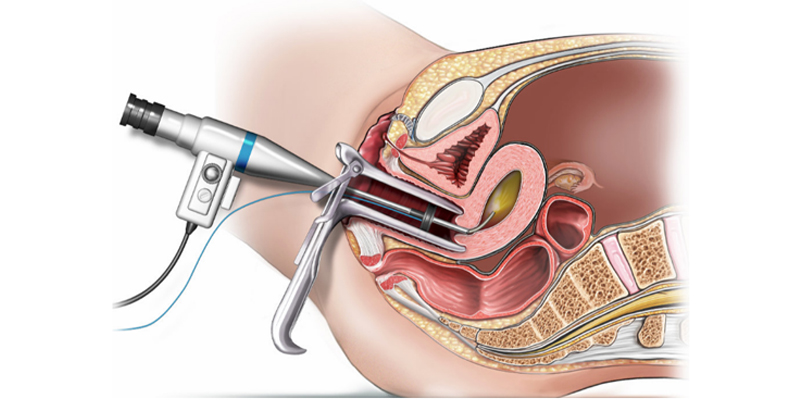
Hysteroscopy
Hysteroscopy is a procedure that allows your doctor to look inside your uterus in order to diagnose and treat causes of abnormal bleeding. Hysteroscopy is done using a hysteroscope, a thin, lighted tube that is inserted into the vagina to examine the cervix and inside of the uterus.

Fertility Surgeries
Laparoscopy. A laparoscopy is a keyhole surgery, and may be recommended to check your tubes are open (tubal patency) and the condition of your uterus and ovaries . It can also treat conditions such as. endometriosis.
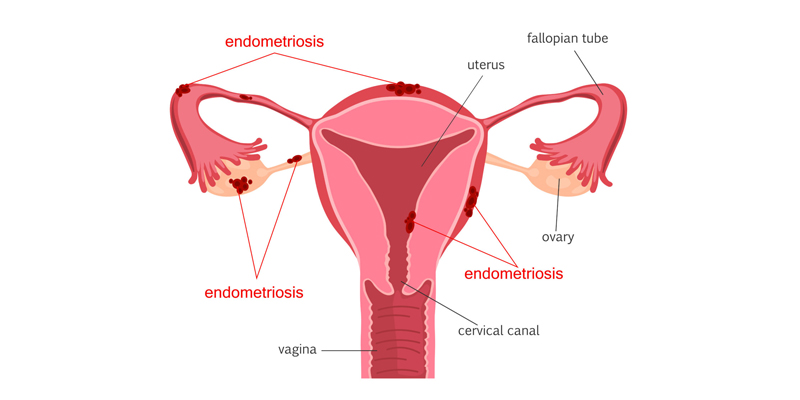
Endometriosis
Endometriosis (en-doe-me-tree-O-sis) is an often painful disorder in which tissue similar to the tissue that normally lines the inside of your uterus — the endometrium — grows outside your uterus. Endometriosis most commonly involves your ovaries, fallopian tubes and the tissue lining your pelvis
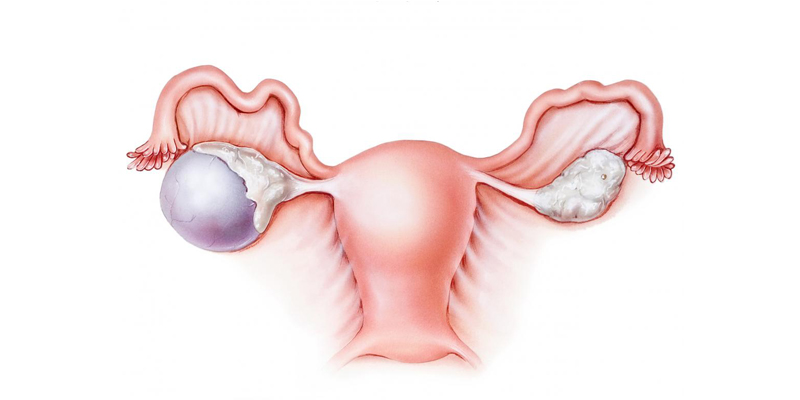
Ovarian Cyst
Most ovarian cysts are small and don’t cause symptoms. If a cyst does cause symptoms, you may have pressure, bloating, swelling, or pain in the lower abdomen on the side of the cyst. This pain may be sharp or dull and may come and go. If a cyst ruptures, it can cause sudden, severe pain.
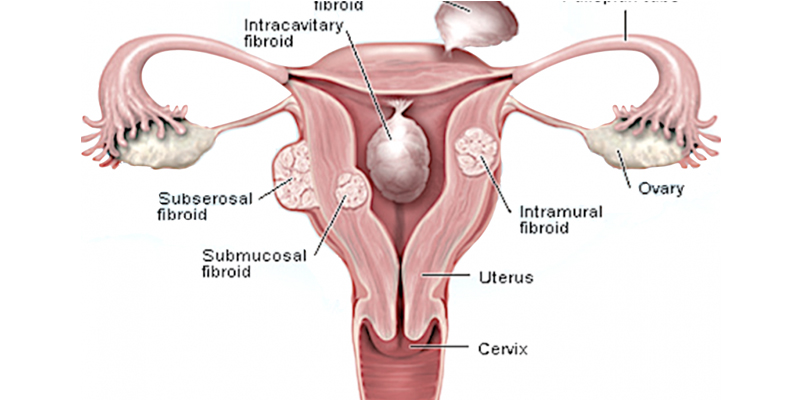
Myomectomy
Myomectomy (my-o-MEK-tuh-me) is a surgical procedure to remove uterine fibroids — also called leiomyomas (lie-o-my-O-muhs). These common noncancerous growths appear in the uterus
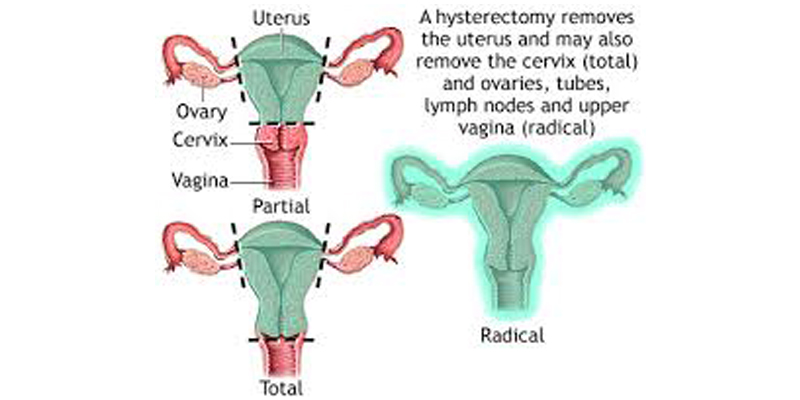
Hysterectomy
A hysterectomy is an operation to remove a woman’s uterus. A woman may have a hysterectomy for different reasons, including: Uterine fibroids that cause pain, bleeding, or other problems. Uterine prolapse, which is a sliding of the uterus from its normal position into the vaginal canal
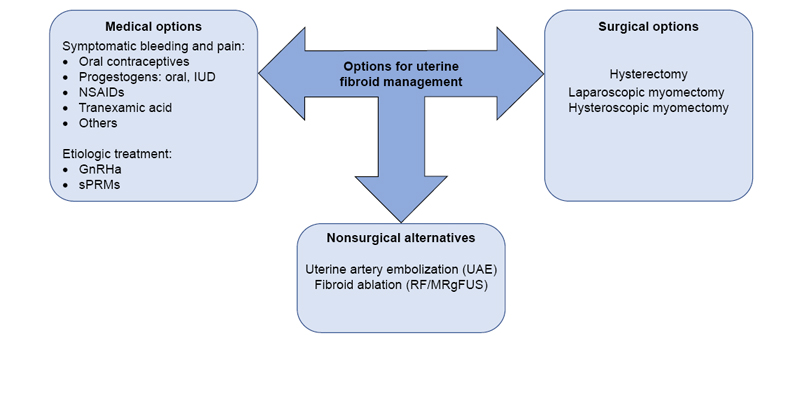
Fibroid Management
Medications include: Gonadotropin-releasing hormone (GnRH) agonists. Medications called GnRH agonists treat fibroids by blocking the production of estrogen and progesterone, putting you into a temporary menopause-like state. As a result, menstruation stops, fibroids shrink and anemia often improves.

Cosmetic Gynaecology
After years of practicing Obstetrics and Gynaecology, performing multiple deliveries and gynaecologic surgeries, we realized that women wanted and needed something more. She did not like the changes that were happening to her as she aged & after delivery of child. Women always wanted to be beautiful at any age!…
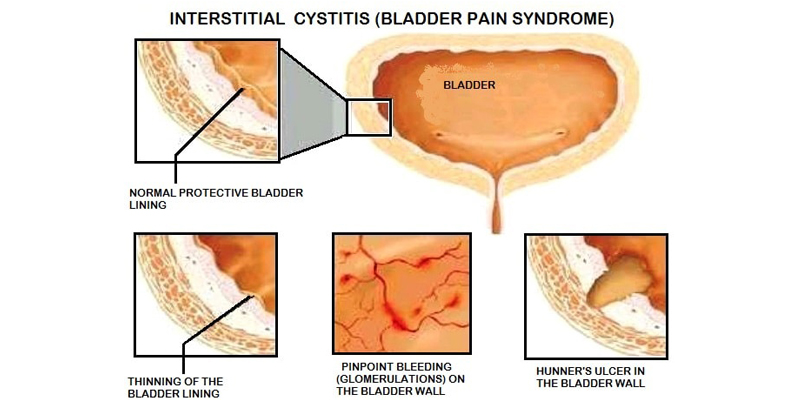
Bladder Pain Syndrome
Bladder pain. Bladder pain syndrome (also called interstitial cystitis or painful bladder syndrome) is a chronic (long-term) pain condition that affects the bladder. Bladder pain syndrome affects more women than men. Some women have severe symptoms that can lead to other health problems such as depression
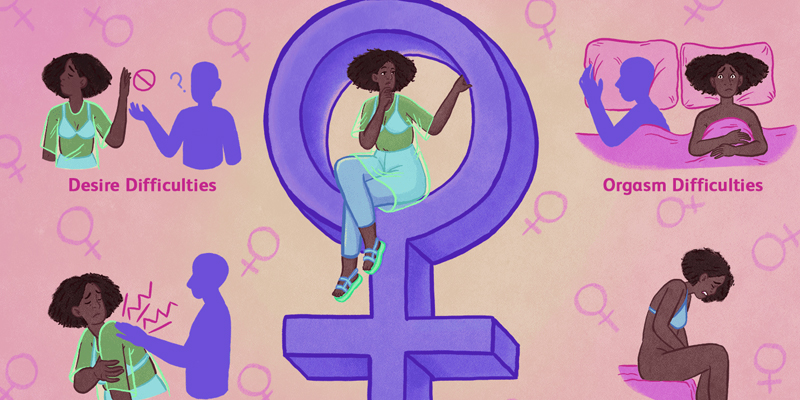
Female Sexual Dysfunction
Persistent, recurrent problems with sexual response, desire, orgasm or pain — that distress you or strain your relationship with your partner — are known medically as sexual dysfunction. … Female sexual dysfunction can occur at any stage of life. It can occur only in certain sexual situations or in all sexual situations.
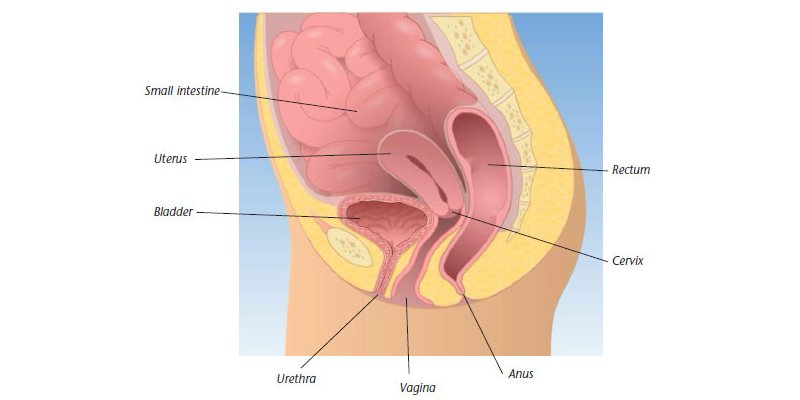
Pelvic Organ Prolapse
Pelvic organ prolapse. Pelvic organ prolapse happens when the muscles and tissues supporting the pelvic organs (the uterus, bladder, or rectum) become weak or loose. This allows one or more of the pelvic organs to drop or press into or out of the vagina

Menopause Clinic
The menopause is when a woman stops having periods and is no longer able to get pregnant naturally. Periods usually start to become less frequent over a few months or years before they stop altogether. Sometimes they can stop suddenly. … This is known as premature menopause or premature ovarian insufficiency.
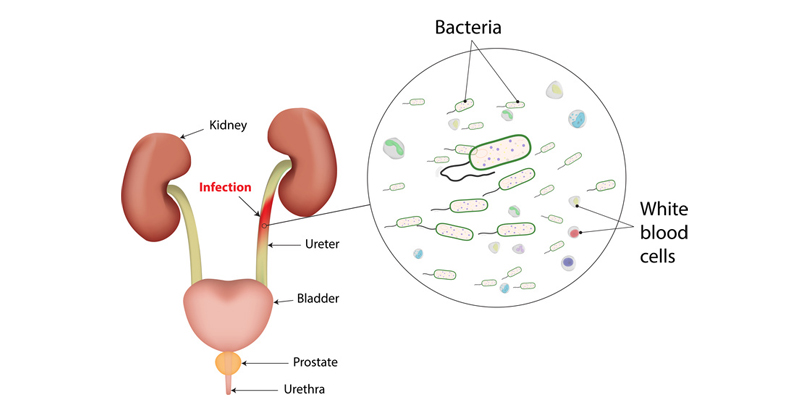
Recurrent Urinary Infections
Recurrent urinary tract infections, presenting as dysuria or irritative voiding symptoms, are most commonly caused by reinfection with the original bacterial isolate in young, otherwise healthy women with no anatomic or functional abnormalities of the urinary tract
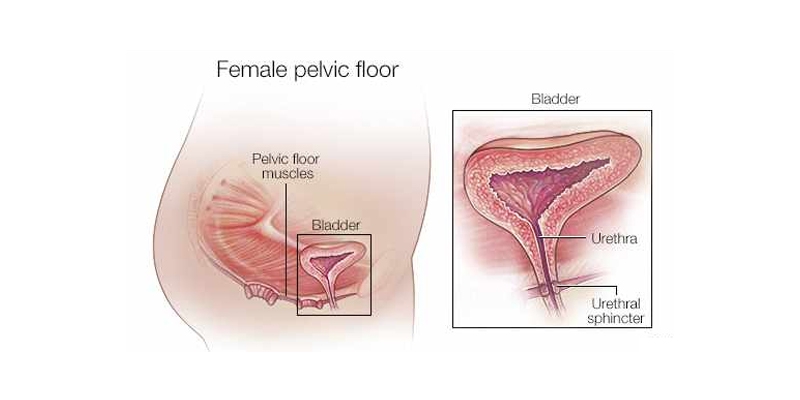
Female Urinary Incontinence (Female Urinary Leakage)
The definition of urinary incontinence in women is the unintentional loss of urine. … Pregnancy, childbirth, and menopause may contribute to urinary incontinence in women. Weak bladder muscles, overactive bladder muscles, and nerve damage may also cause urinary incontinence in women.