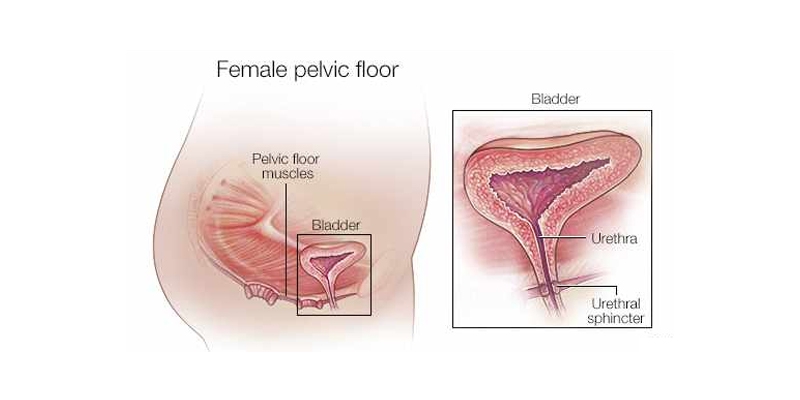
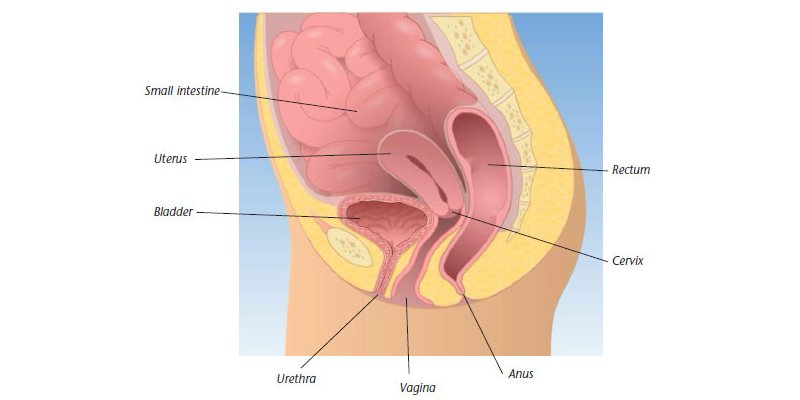
Pelvic organ prolapse. Pelvic organ prolapse happens when the muscles and tissues supporting the pelvic organs (the uterus, bladder, or rectum) become weak or loose. This allows one or more of the pelvic organs to drop or press into or out of the vagina
Continue ReadingBlog
Menopause Clinic
The menopause is when a woman stops having periods and is no longer able to get pregnant naturally. Periods usually start to become less frequent over a few months or years before they stop altogether. Sometimes they can stop suddenly. … This is known as premature menopause or premature ovarian insufficiency.
Continue ReadingRecurrent Urinary Infections
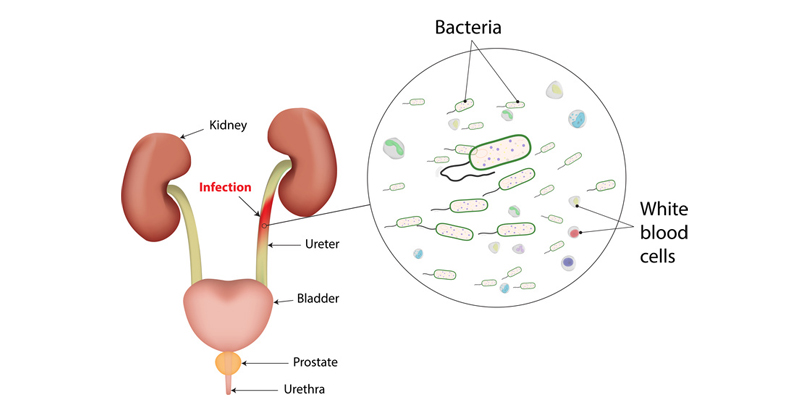
Recurrent urinary tract infections, presenting as dysuria or irritative voiding symptoms, are most commonly caused by reinfection with the original bacterial isolate in young, otherwise healthy women with no anatomic or functional abnormalities of the urinary tract
Continue ReadingFemale Urinary Incontinence (Female Urinary Leakage)
The definition of urinary incontinence in women is the unintentional loss of urine. … Pregnancy, childbirth, and menopause may contribute to urinary incontinence in women. Weak bladder muscles, overactive bladder muscles, and nerve damage may also cause urinary incontinence in women.
Continue Reading